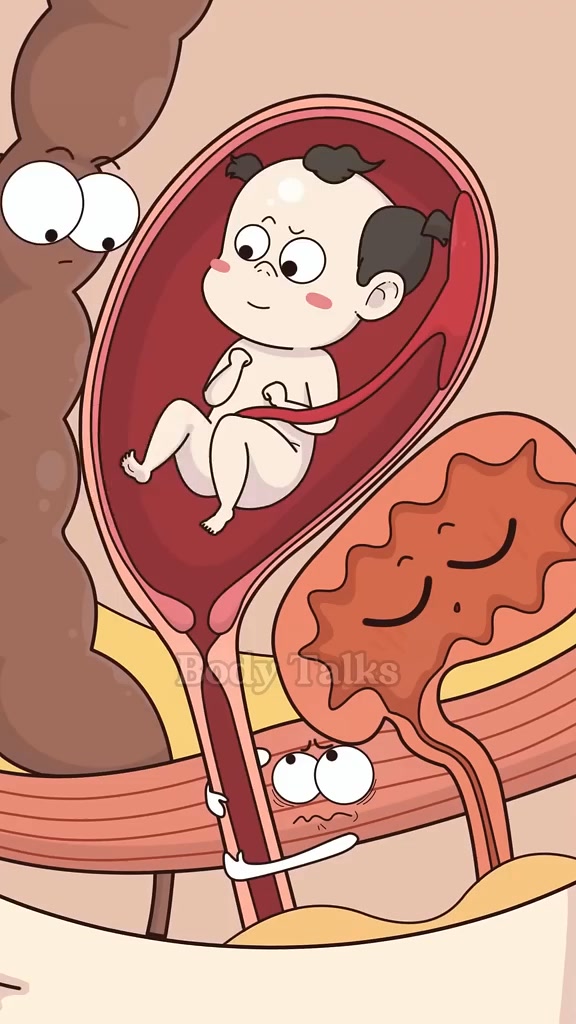

Postpartum Incontinence: Why It Takes Place And How To Treat It It occurs when tasks like laughing, sneezing, or workout put pressure on your bladder. This sudden, boosted pressure causes percentages of pee leakage. Urinary incontinence likewise becomes more typical as a lady ages-- specifically during menopause. During menopause, adjustments in estrogen combined with years of wear-and-tear on your pelvic flooring muscle mass make tension urinary incontinence more probable. Lamaze, the Bradley technique, and lots of midwives and physicians encourage females to labor as long as required and as long as the infant's health, as checked by the heartbeat, can endure labor. As a result, prolonged labor or prolonged pressing is sometimes encouraged in order to avoid a cesarean section. However, while risk-free for the baby, it shows up that these ideas might not remain in the very best long-lasting interest of the mother. We understand since extended and tough labors might result in long-term nerve damage and weakening of the pelvic muscular tissues and the sustaining frameworks to the womb, bladder and anus.
Do Kegel Exercises In Your Home
Can postpartum bladder prolapse recover itself?
The issue likely won't disappear by itself and might aggravate in time without therapy. We usually advise starting with conservative treatment strategies whenever possible. Pelvic floor therapy and Kegel exercises may be all you require to recover your pelvic location to remedy positioning.
Postpartum Incontinence: Why It Takes Place And Just How To Treat It
They might likewise suggest ways to adjust your everyday tasks, including childcare regimens, to assist decrease signs and enhance bladder feature. PTs can likewise offer practical tools and ideas-- like healthy and balanced bladder behaviors, methods to minimize pain, and, for some, referrals for attempting a pelvic fitness instructor (see below for even more). Various other activities like leaping or running can additionally create stress urinary incontinence. As a result, some people will certainly still experience bladder leakage despite not having a vaginal distribution. It is essential to pay attention to your physician regarding post-op treatment, as you might still require to take part in core or pelvic muscle recuperation to prevent leak. As it gets ready for birth, your body organs change, and a lot more pressure is placed on your bladder and pelvic flooring muscle mass, which can cause them to deteriorate throughout pregnancy. It can take a few weeks or even months for urinary incontinence after maternity to go away and for you to gain back full bladder control, though there are actions you can take to obtain it back faster. Nonetheless, some ladies might experience urinary incontinence for longer. Forceps enhances the danger of injury to the nerves and muscles of the pelvis. Forceps are the spoon-shaped steel tools that are sometimes put into the mother's vaginal area and positioned around the infant's head at the time of distribution. These tools are usually made use of after a lengthy or challenging labor to help supply a child.- While pregnant, it's a result of added weight and pressure on the bladder and pelvic floor, and can continue or get worse after distribution if there's comprehensive tearing during birth.What to Expect adheres to rigorous reporting guidelines and makes use of just reputable sources, such as peer-reviewed researches, academic study institutions and extremely appreciated health companies.Cutting this cut is likewise intended to reduce labor by offering the baby's head more space so distribution could be easier and quicker.A grad of Columbia College Chicago with a Bachelor's level in Journalism, Marlee proactively contributed to numerous magazines, consisting of Borgen Magazine, Echo Publication, Assuaged, Inc., and Chicago Ideas Week.This added pressure on your bladder is called stress urinary incontinence and this occurs when the bladder sphincter does not function well adequate to hold in pee.Some ladies even have what's called "stress incontinence," which is a kind of incontinence that can be experienced during and after pregnancy.